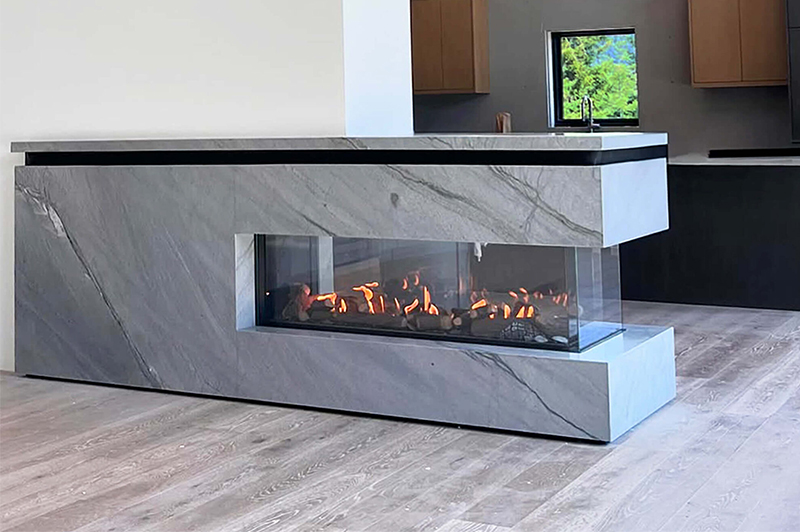
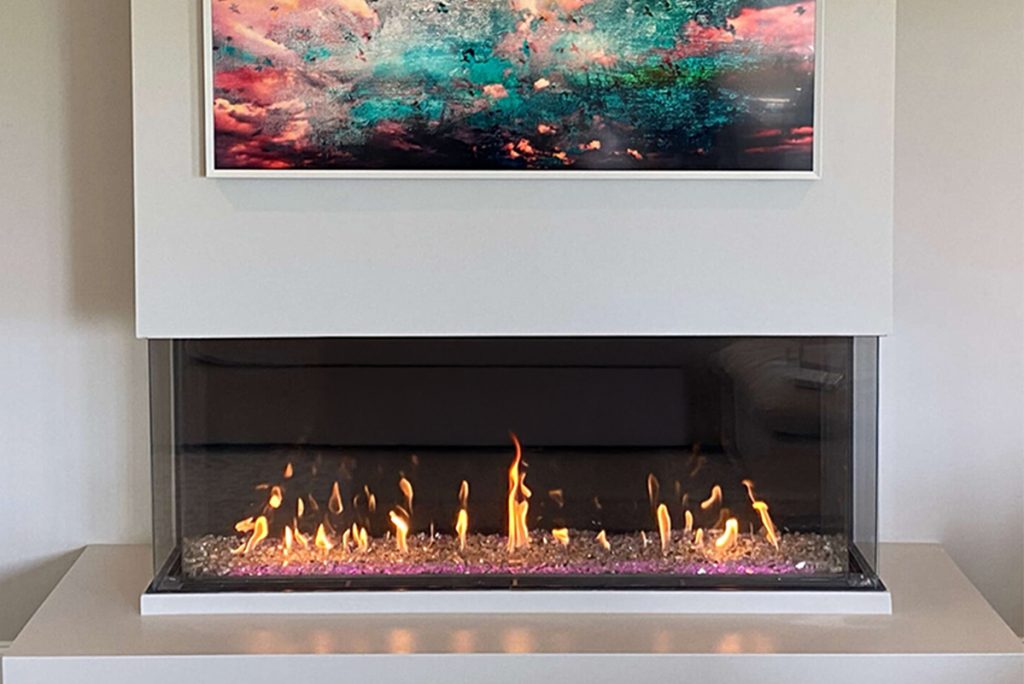
Frameless fireplaces are one of the most striking features in modern homes. Their sleek, minimalist design allows the flame to take center stage. However, the beauty of these fireplaces depends on proper planning and careful installation. Overlooking small details can lead to performance problems, safety risks, or costly revisions. Here are the frameless fireplace installation mistakes you’ll want to avoid, and how to do the job right.
Installation Mistakes to Avoid When Specifying Frameless Fireplaces
Ignoring Venting Requirements
One of the most common errors is overlooking venting specifications. Frameless fireplaces are typically direct vent units, meaning they must draw in outside air and vent exhaust correctly. Incorrect vent sizing, too many elbows, or improper terminations can cause performance issues. Always review the manufacturer’s venting chart before finalizing the design.

Overlooking Clearance to Combustibles
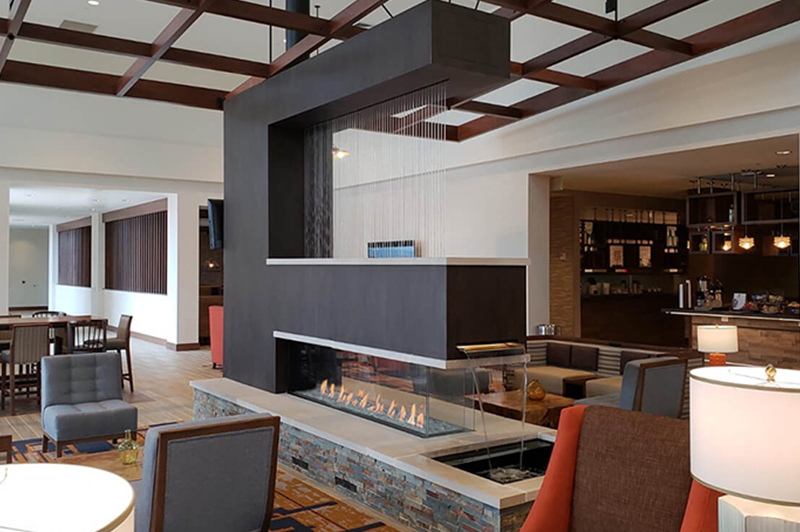
Because frameless fireplaces allow finishing materials to extend right to the glass, many assume clearances are unnecessary. In reality, clearances must be respected for safe operation. Installing combustible materials too close to the firebox risks damage and voids warranties. Use non-combustible finishes near the glass to maintain both safety and aesthetics.
Forgetting Heat Management Systems
Frameless designs place greater emphasis on managing heat. Features like Cool Touch Wall technology integrated through Heat Release systems prevent excessive heat buildup, allowing safe placement of TVs, artwork, or delicate finishes above the fireplace. Skipping these systems limits design freedom and can create long-term problems.

Neglecting Proper Framing and Support
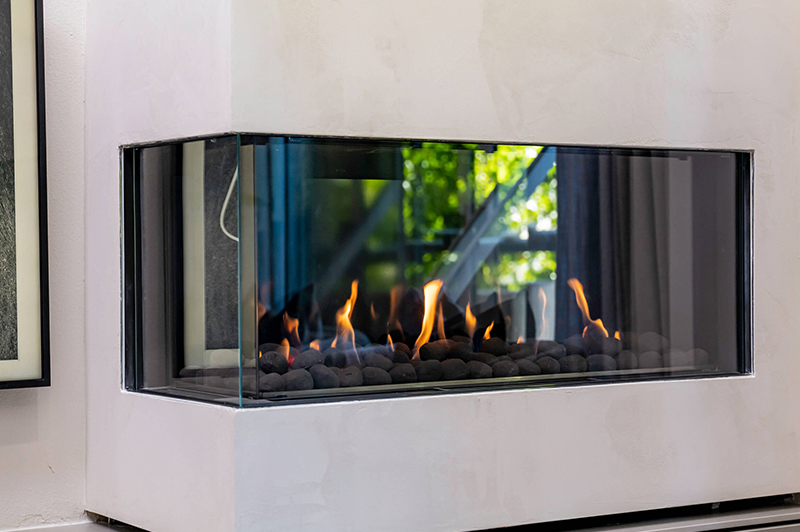
Frameless fireplaces rely on precise framing for a seamless finish. If framing is off by even a fraction, it compromises alignment with surrounding finishes. Builders should confirm all dimensions and ensure proper support for heavier models, especially those with taller glass panels.
Poor Coordination with Other Trades
Finally, coordination is key. Electricians, HVAC professionals, and finish carpenters must all be on the same page. A common mistake is failing to plan for power access, accent lighting, or wall-mounting needs. Early communication between trades avoids costly revisions during installation.